Getting Angry?
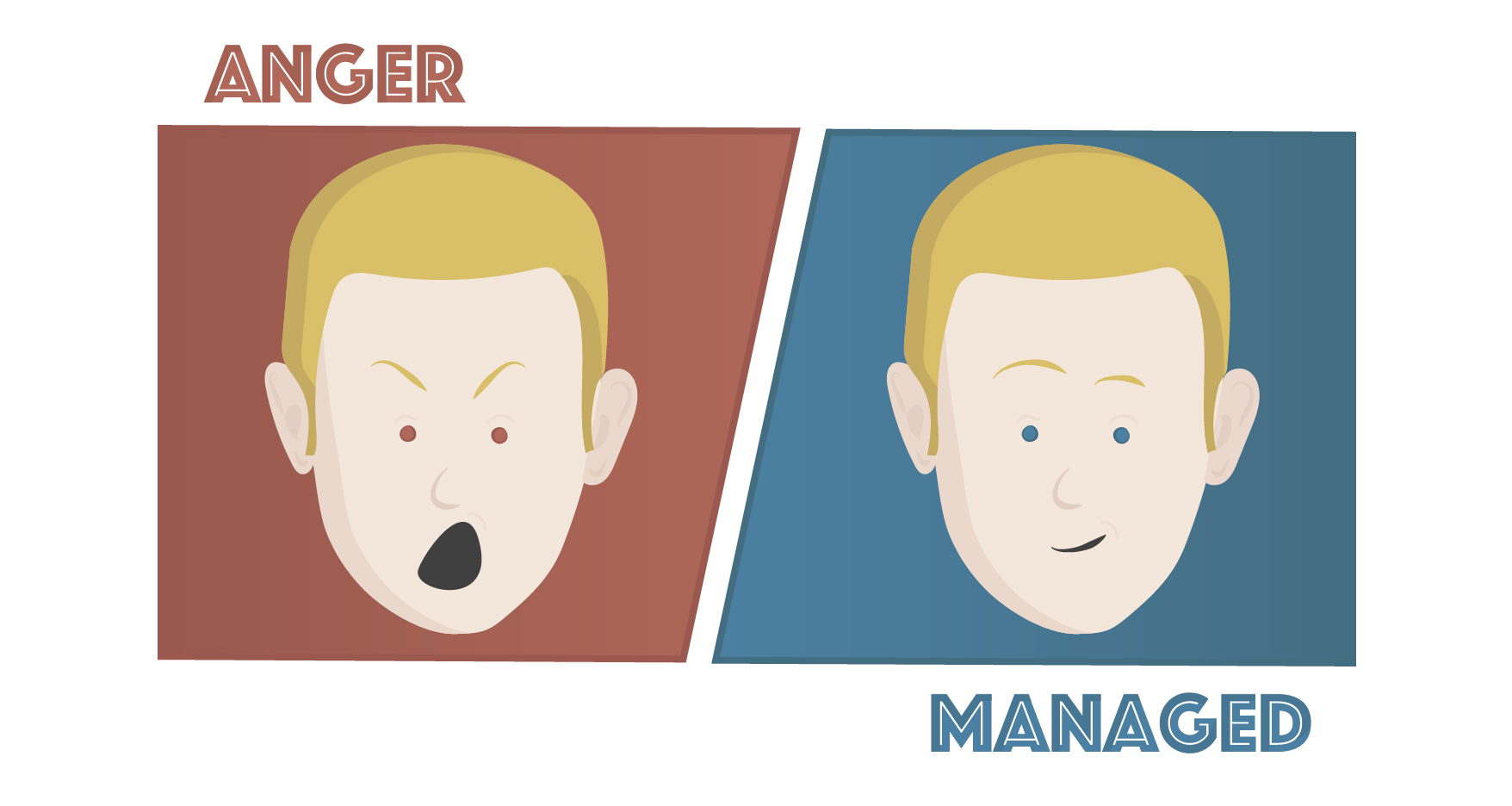
Know the effects and follow these steps to calmness

Effects of anger
Chronic anger that flares up all the time or spirals out of control can have serious consequences for your:
1
Physical health
Susceptible to
- heart disease
- diabetes
- a weakened immune system
- insomnia
- high blood pressure
2
Mental health
- Clouds your thinking
- harder to concentrate and enjoy life
- stress
- depression
- mental health problems
3
Occupational functioning
- alienates your colleagues and supervisors
- erodes respect
4
Social functioning
- lasting scars in loved ones
- get in the way of friendships
- hard for others to trust you
The 7 magical steps of anger management
1.Be Aware - Find some time to take
stock of just how your uncontrolled emotions are
affecting your day-to-day life.

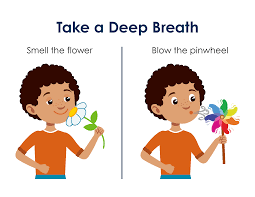
2.Relaxation techniques- Take deep breaths slowly, hold your breath
and count upto three. Consider saying a mantra like "I am calm" or "I am peaceful".
3.Cognitive restructuring - Avoid using the words “always” and “never” in your thoughts and speech.
Such terms are inaccurate and can make you feel like your anger is justified, which makes it worse.
These words can also hurt others who may be trying to help you arrive at a solution to your problem.
4.Problem solving - Instead of being angry try to solve the problem of your anger.Sometimes,
writing stuff down can help you work out why you’re feeling angry and how you might be able to deal with it.
It’ll also help you to put things in perspective.
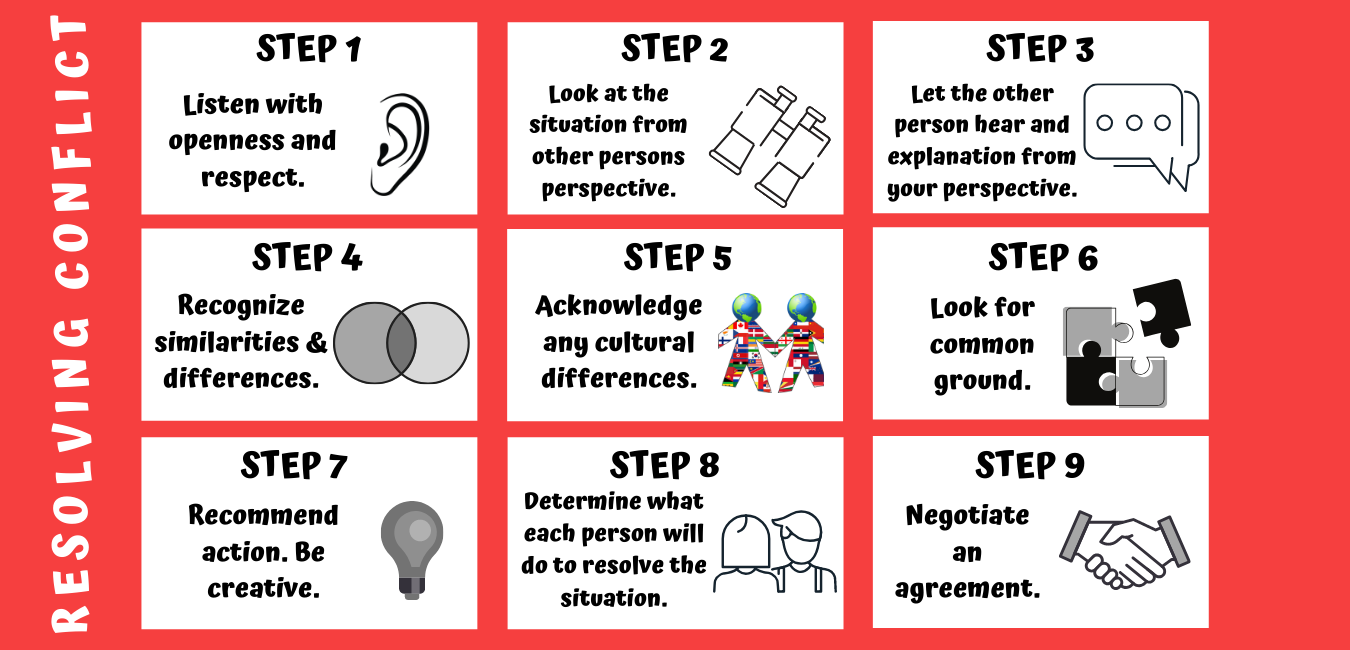
5.Communication- Talk to your loved ones about it. Seek help whenever you need.

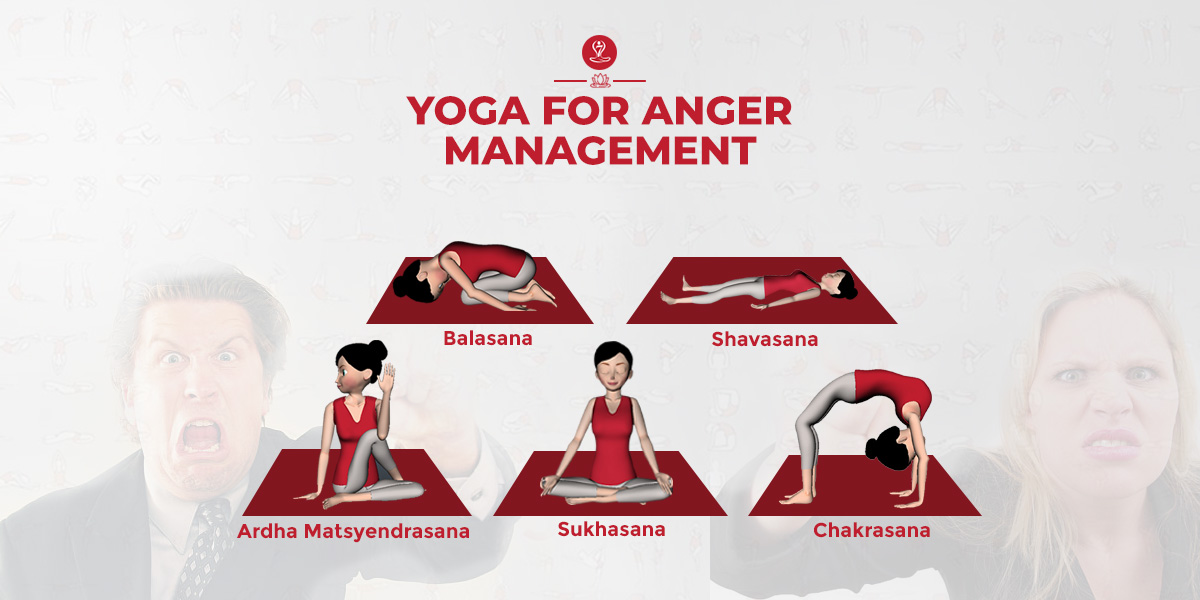
6.Progressive muscle relaxation - Physical activity can help reduce stress that can cause you to become angry. If you feel your anger escalating,
go for a brisk walk or run or spend sometime outdoor.
7.Use humor to relieve tension